
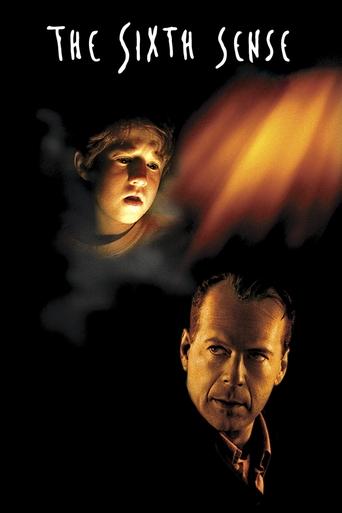
 ★ 8.0
MovinFlicks
On MovinFlicks every card named the star first. This guide keeps the idea: twelve stars of the video-store years, from Bruce Willis and Jim Carrey to Denzel Washington and Jackie Chan, each with the thirteen most voted films of their lead roles from 1990 to 2008, 156 films with synopses, cast and where to watch.
Watch them here now
Bruce WillisBruce Willis
More flicks (13)★ 8.0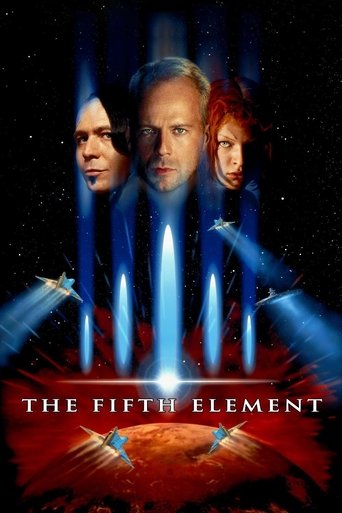 ★ 7.6
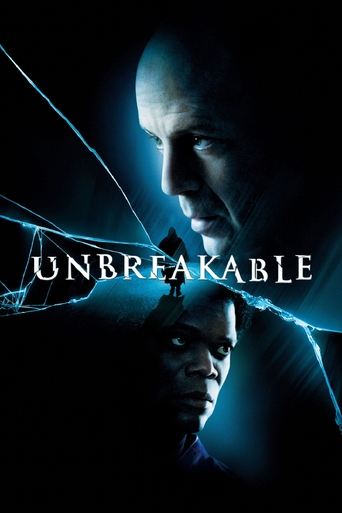 ★ 7.1
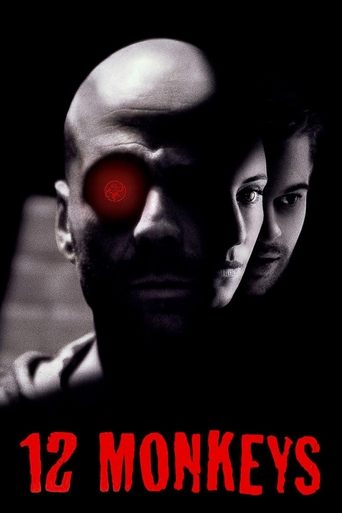 ★ 7.6
 ★ 7.5
 ★ 6.8
 ★ 7.3
 ★ 7.0
 ★ 6.6
 ★ 6.9
 ★ 6.8
 ★ 6.4
Nicolas CageNicolas Cage
More flicks (13)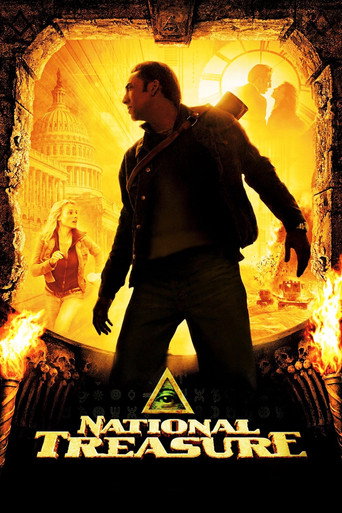 ★ 6.7
 ★ 5.6
 ★ 7.1
 ★ 6.4
 ★ 7.4
 ★ 7.2
 ★ 6.5
 ★ 6.8
 ★ 6.2
 ★ 7.3
 ★ 6.8
 ★ 6.5
Mel GibsonMel Gibson
More flicks (13)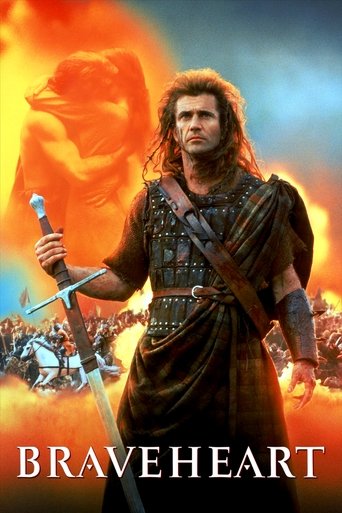 ★ 7.9
 ★ 6.7
 ★ 6.5
 ★ 7.2
 ★ 6.7
 ★ 6.6
 ★ 7.1
 ★ 6.7
 ★ 6.8
 ★ 6.9
 ★ 6.6
 ★ 6.2
Jim CarreyJim Carrey
More flicks (13)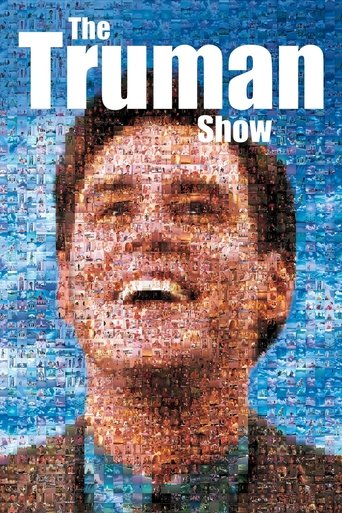 ★ 8.2
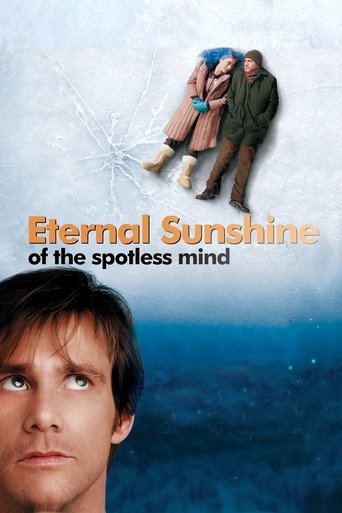 ★ 8.1
 ★ 6.7
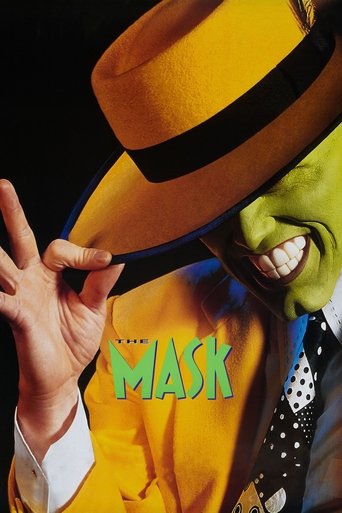 ★ 7.0
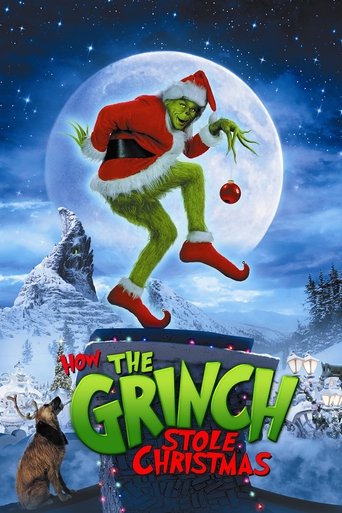 ★ 6.8
 ★ 6.7
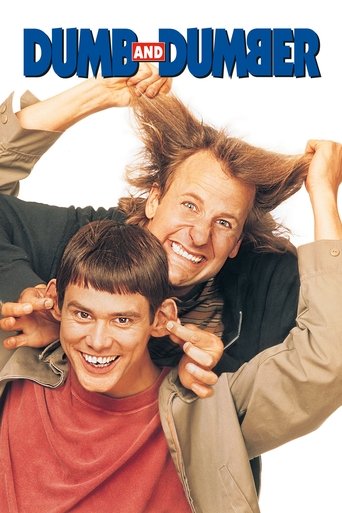 ★ 6.7
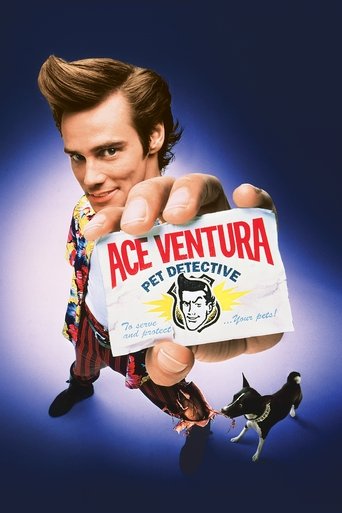 ★ 6.6
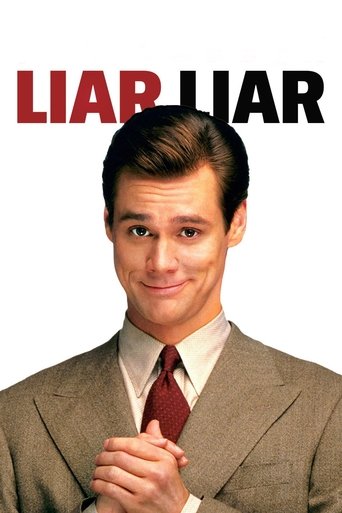 ★ 6.7
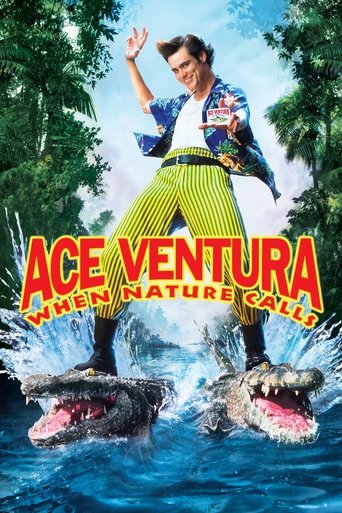 ★ 6.3
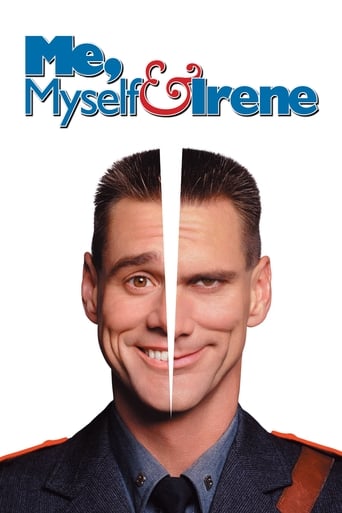 ★ 6.6
 ★ 6.4
Adam SandlerAdam Sandler
More flicks (13)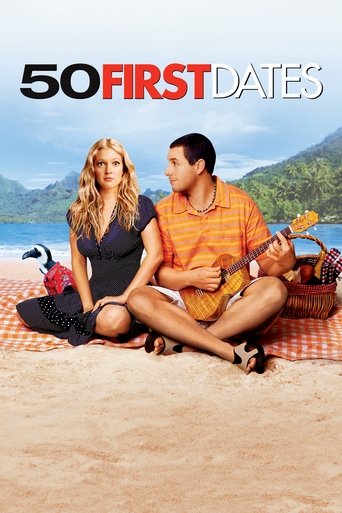 ★ 6.9
 ★ 6.3
 ★ 5.7
 ★ 6.7
 ★ 6.5
 ★ 6.2
 ★ 6.7
 ★ 6.2
 ★ 7.1
 ★ 5.9
 ★ 6.1
 ★ 6.1
Robin WilliamsRobin Williams
More flicks (13)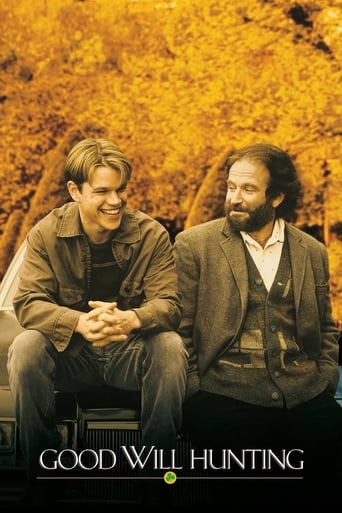 ★ 8.2
 ★ 7.2
 ★ 7.2
 ★ 6.8
 ★ 7.0
 ★ 7.3
 ★ 7.3
 ★ 5.7
 ★ 7.3
 ★ 6.7
 ★ 5.9
 ★ 7.3
Denzel WashingtonDenzel Washington
More flicks (13)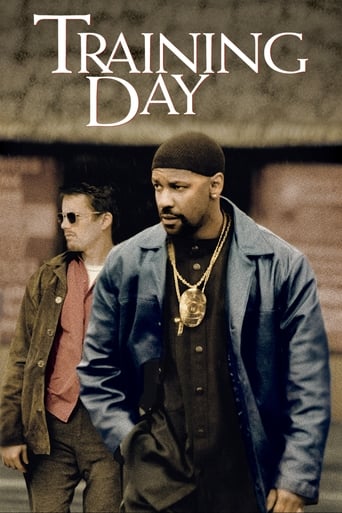 ★ 7.5
 ★ 7.4
 ★ 7.6
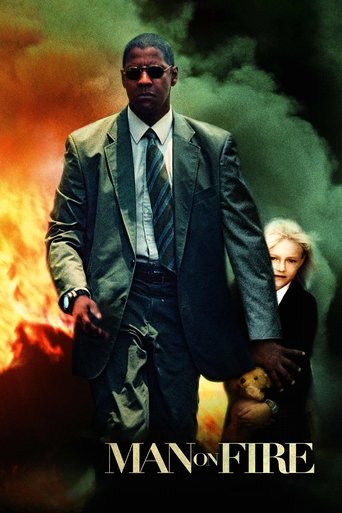 ★ 7.5
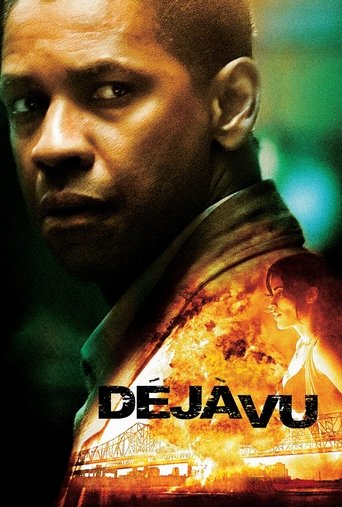 ★ 6.9
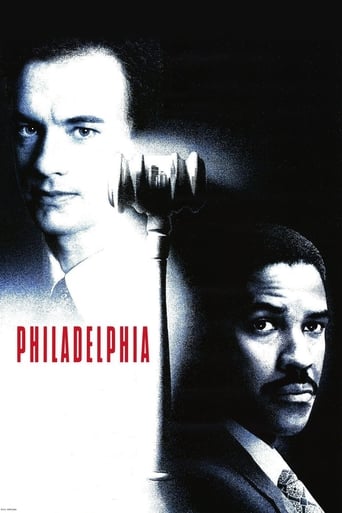 ★ 7.7
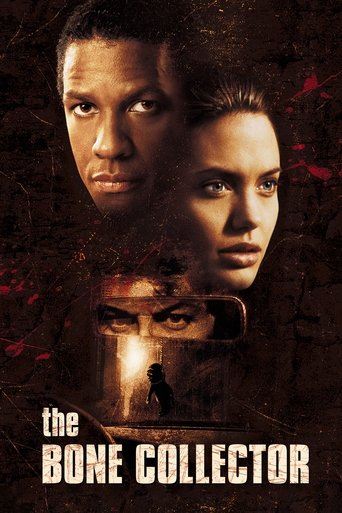 ★ 6.8
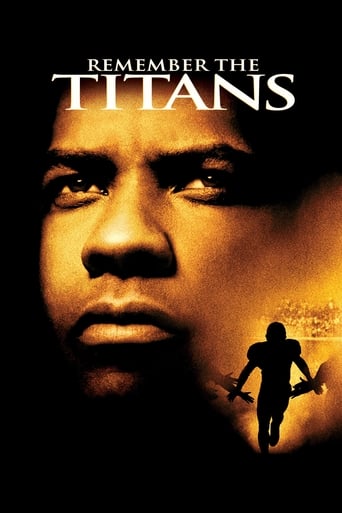 ★ 7.7
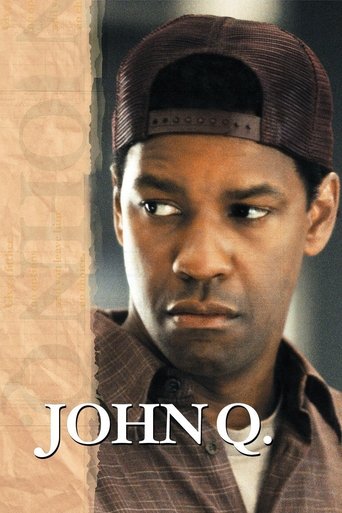 ★ 7.2
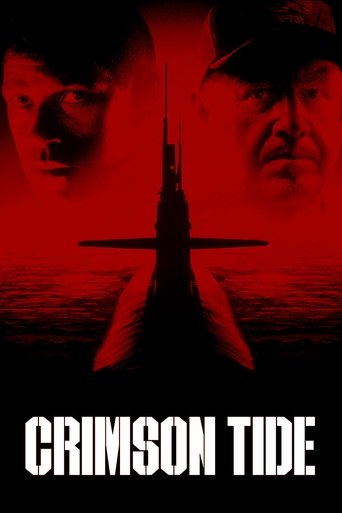 ★ 7.2
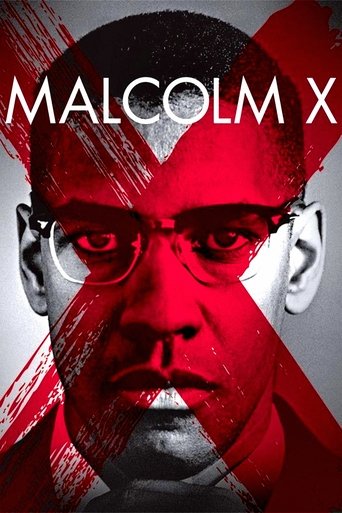 ★ 7.5
 ★ 6.6
Robert De NiroRobert De Niro
More flicks (13) ★ 8.4
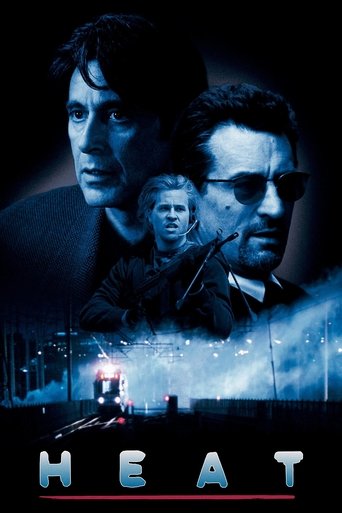 ★ 7.9
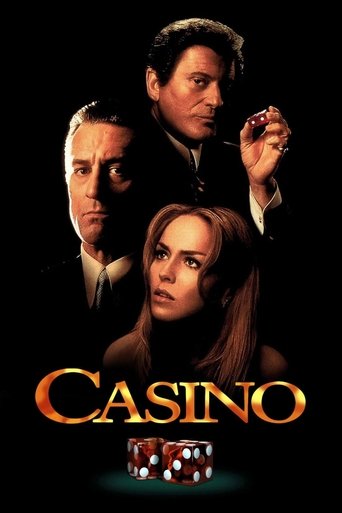 ★ 8.0
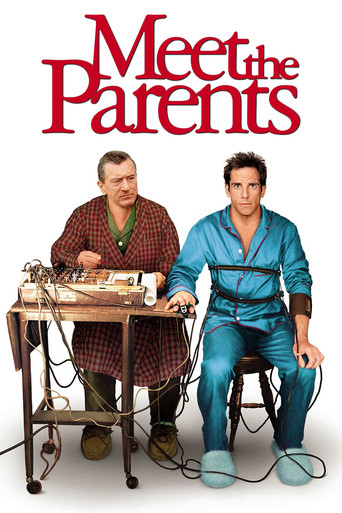 ★ 6.7
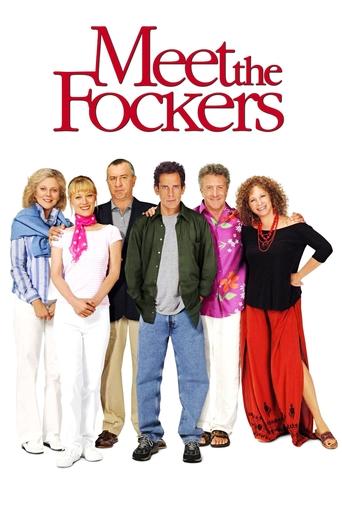 ★ 6.3
 ★ 7.6
 ★ 7.3
 ★ 7.9
 ★ 7.8
 ★ 7.0
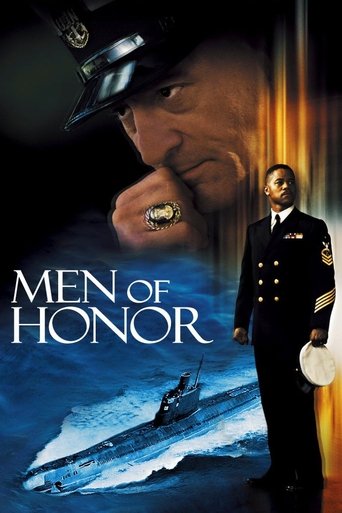 ★ 7.5
 ★ 6.5
Edward NortonEdward Norton
More flicks (13)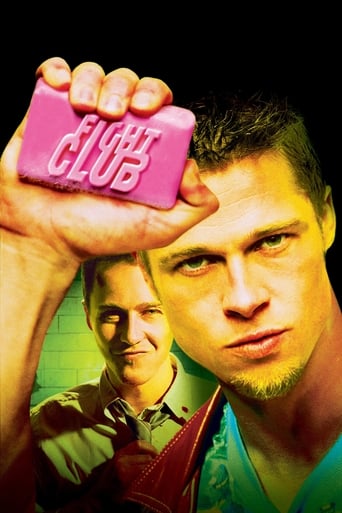 ★ 8.4
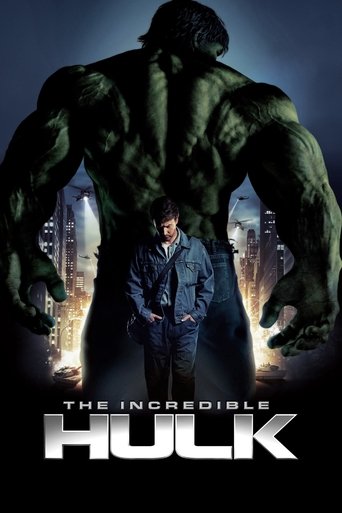 ★ 6.3
 ★ 8.3
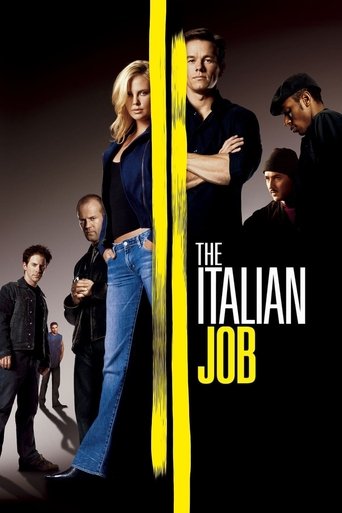 ★ 6.8
 ★ 7.3
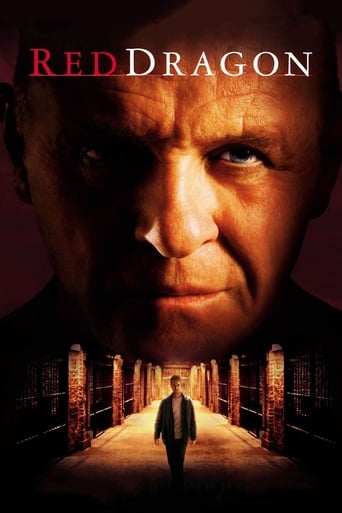 ★ 7.0
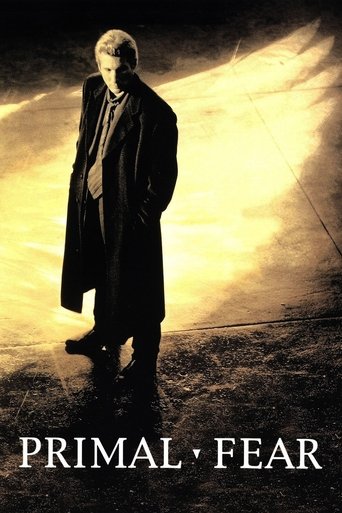 ★ 7.7
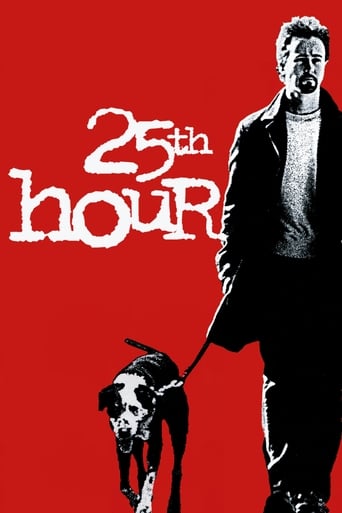 ★ 7.3
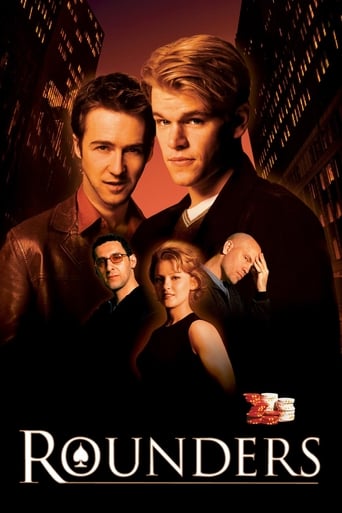 ★ 7.0
 ★ 7.3
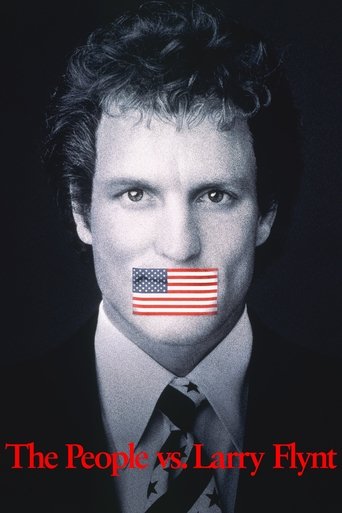 ★ 7.0
 ★ 6.3
Will SmithWill Smith
More flicks (13)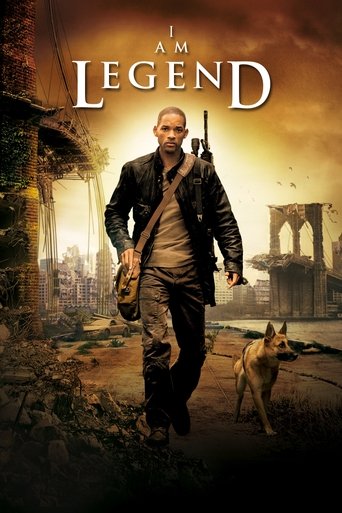 ★ 7.2
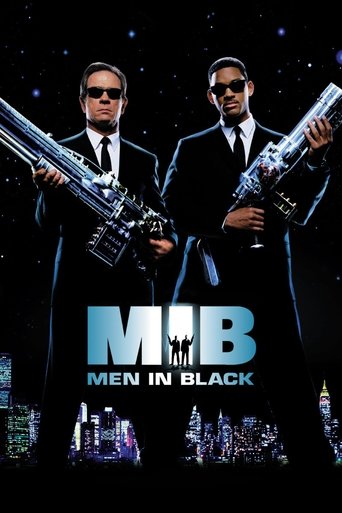 ★ 7.2
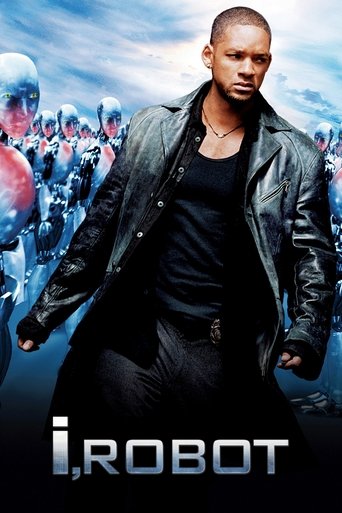 ★ 7.0
 ★ 6.4
 ★ 7.9
 ★ 6.9
 ★ 6.4
 ★ 7.6
 ★ 6.8
 ★ 6.6
 ★ 6.7
 ★ 7.1
Angelina JolieAngelina Jolie
More flicks (13)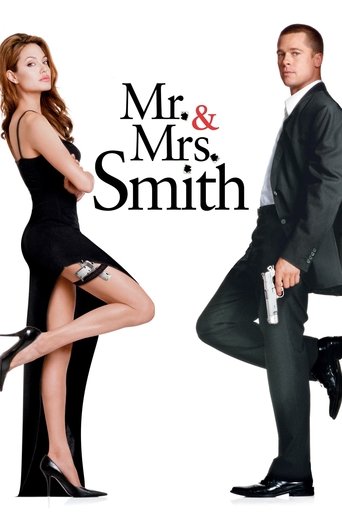 ★ 6.7
 ★ 6.5
 ★ 5.9
 ★ 5.8
 ★ 7.6
 ★ 7.6
 ★ 6.0
 ★ 6.4
 ★ 6.4
 ★ 6.4
 ★ 6.2
 ★ 5.7
Jackie ChanJackie Chan
More flicks (13) ★ 7.1
 ★ 6.8
 ★ 6.5
 ★ 6.4
 ★ 6.0
 ★ 6.1
 ★ 5.7
 ★ 6.7
 ★ 5.7
 ★ 6.9
 ★ 7.5
 ★ 7.2
The MovinFlicks guide
MovinFlicks: video on demand, billed by the star
Billed by the star
MovinFlicks was a small video-on-demand page of 2007 with a simple habit: every card put the name of the star above the title. Bruce Willis, then Last Man Standing; Nicolas Cage, then Con Air; Jim Carrey, then Dumb and Dumber; Denzel Washington, then Inside Man. It was the logic of the video store of the time, where the face on the box sold the film and where a Friday evening often began with a question about the actor rather than the story: what is there with Jim Carrey, what is the new one with Will Smith. This guide takes that habit and turns it into a whole site. It gathers twelve stars of the video-store years and, for each of them, the thirteen most voted films of their lead roles from 1990 to 2008, the era in which MovinFlicks was online. That makes 156 films, from GoodFellas and Die Hard 2 in 1990 to Yes Man, Hancock and The Forbidden Kingdom in 2008, each with its English synopsis, its cast, its director and a Watch now button that opens it on JustWatch.
The twelve stars are grouped in four families of three. The Action heroes are Bruce Willis, Nicolas Cage and Mel Gibson, the men of the explosion, the chase and the last stand. The Funny men are Jim Carrey, Adam Sandler and Robin Williams, the three comedians who filled the comedy shelves of every rental store of the decade. The Dramatic leads are Denzel Washington, Robert De Niro and Edward Norton, the actors of the cops, the crooks and the troubled minds. And the Blockbuster stars are Will Smith, Angelina Jolie and Jackie Chan, the faces of the summer hits and of the international box office. The guide The star-billed store explains the idea, and the guide Start with MovinFlicks picks one film from each family for a first evening.
Together the 156 films carry about 844,000 votes on TMDB, with an average rating of 6.86. Eight of them reach a rating of 8 or more, led by GoodFellas with 8.5, Fight Club with 8.4 and American History X with 8.3, and the most voted of all is Fight Club, with about 33,000 votes. The films split almost evenly between the two decades of the guide: 72 from the 1990s and 84 from the years 2000 to 2008.
The page of 2007
The Wayback Machine keeps several copies of the MovinFlicks home page from February 2007 to January 2008, and they show a site that looks very much of its moment. The page is black, with a narrow charcoal column in the middle. At the top, a blue gradient header holds a dark rounded plate with a film reel and the words MOVINFLICKS.COM and VIDEO ON DEMAND; below it, a steel-grey menu bar carries four underlined links, Home, Full Video List, TV On Demand and Disclaimer. Then comes a wide banner, WATCH THEM HERE NOW, with a row of posters of the season reflected as if on a glossy floor, and a blue bar with the single word MOVIES. Under it, the cards are white boxes, three to a row: a small poster on the left and, on the right, the name of the star, the title in bold underlined blue, one line of plot and the source of that line, usually Yahoo Movies or IMDb.
The films on those cards and on the pages they open are mostly the films of the season, the releases of 2006 and early 2007: Inside Man, The Illusionist, Click, RV, 16 Blocks, Ghost Rider, The Number 23 and The Pursuit of Happyness, next to older favourites such as Braveheart, Casino, Fight Club, American History X, Dumb and Dumber and Con Air. The page of January 2008 adds Live Free or Die Hard, 300, The Simpsons Movie and Pan's Labyrinth. The archive also lists the separate pages of a TV On Demand section, with sitcoms, cartoons and reality shows of the time, from Seinfeld, The Simpsons, South Park and Arrested Development to MythBusters and How It's Made. The collection On MovinFlicks in 2007 gathers the 17 films of this guide listed on those archived pages, and the guide The page of 2007 describes the capture in detail.
This guide borrows that look: the black page and the charcoal column, the blue header with its reel, the grey menu, the WATCH THEM HERE NOW banner, the blue bars and the white cards with the star above the title. It changes what lies behind the cards. Each film here opens a full page with its synopsis, its cast and a Watch now button that sends you to JustWatch, which shows the services that offer the film in your country.
How the shelves work
Each of the twelve shelves belongs to one star. To build it, the guide takes every film of that star from 1990 to 2008 in which the star is billed first or second in the TMDB cast list, sets aside documentaries, television films and roles as a voice or as themselves, and keeps the thirteen most voted. Edward Norton, whose best-known films include several roles as the second or third name of a large cast, is the one exception: his shelf also accepts the films in which he is among the first four names, which brings in three films where he is billed third, Primal Fear, his first film, The Italian Job and The People vs. Larry Flynt.
Some films star two of the twelve. In those cases the film goes to the star billed highest: Gone in Sixty Seconds is on the shelf of Nicolas Cage, who leads it, rather than on that of Angelina Jolie; The Bone Collector is with Denzel Washington, Awakenings and The Score with Robert De Niro. Each film therefore appears on exactly one shelf. The cards show the name of the star of the shelf above the title, as the old cards did, and in the lists of the four families and the three extra collections the name tells you at a glance whose film it is. The guide How the shelves work sums up the rules.
Action heroes
The first family, Action heroes, belongs to the three men who carried the big action film from the end of the 1980s into the new century. Their 39 films hold about 199,000 votes and an average of 6.87, and they range from the airport siege of Die Hard 2 in 1990 to the hacked America of Live Free or Die Hard in 2007. The guide Action heroes sums up the family.
Bruce Willis
The shelf Bruce Willis is the most voted of the family, with about 93,000 votes, and the best rated, with an average of 7.09. It shows how wide the range of the action star of Die Hard became in the 1990s. The most voted and best rated film of the shelf is The Sixth Sense, of 1999, by M. Night Shyamalan, with a rating of 8.0: Willis plays a child psychologist who treats a boy who sees the dead, played by Haley Joel Osment, in a film remembered for one of the most famous twists of its decade. Shyamalan and Willis met again the next year for Unbreakable, of 2000, with Samuel L. Jackson, a story of a man who survives a train crash with barely a scratch, which treated the superhero film with the gravity of a drama years before the genre filled the multiplexes.
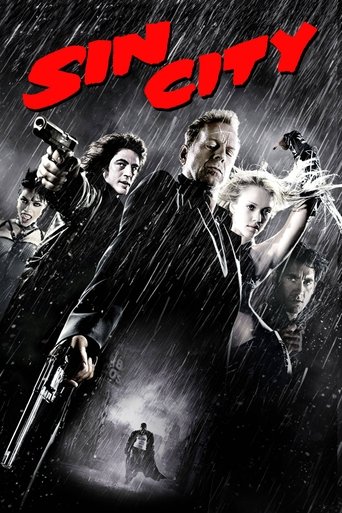
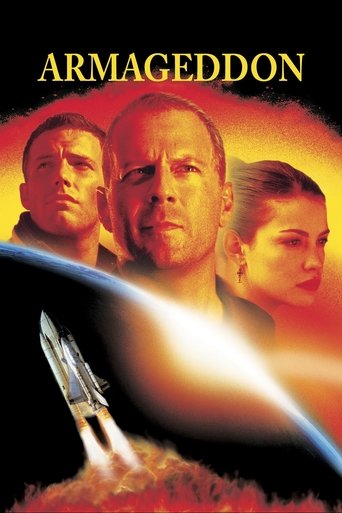
Science fiction gives the shelf two more of its peaks. The Fifth Element, of 1997, by Luc Besson, with Milla Jovovich, a French production shot in English, sends a New York taxi driver of the 23rd century on a mission to save the world, in a riot of colour and costume; Twelve Monkeys, of 1995, by Terry Gilliam, with Madeleine Stowe and Brad Pitt, sends a prisoner of the future back in time to find the origin of a plague. Both carry a 7.6. Sin City, of 2005, by Robert Rodriguez, adapts the graphic novels of Frank Miller in black and white with splashes of red, with Willis as an ageing cop among a large cast, and Armageddon, of 1998, by Michael Bay, sends him with a team of oil drillers to blow up an asteroid heading for the Earth.
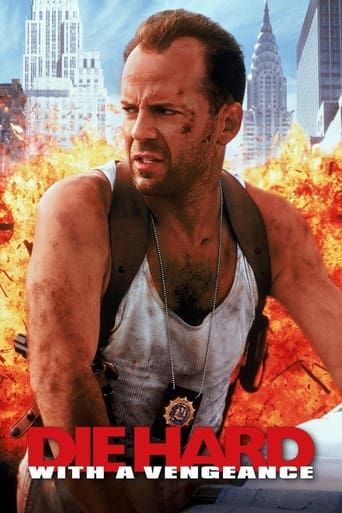
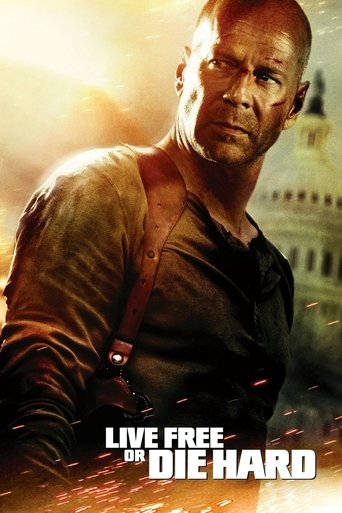
John McClane, of course, is here three times: Die Hard 2, of 1990, by Renny Harlin, at a snowbound Washington airport; Die Hard: With a Vengeance, of 1995, by John McTiernan, the director of the first film, with Samuel L. Jackson as his reluctant partner and Jeremy Irons as the villain, in a game of riddles across New York; and Live Free or Die Hard, of 2007, by Len Wiseman, with Timothy Olyphant, in which the hero takes on a gang of hackers. The rest of the shelf is the solid action of the decade: The Last Boy Scout, of 1991, by Tony Scott, with Damon Wayans; The Jackal, of 1997, with Richard Gere; Tears of the Sun, of 2003, by Antoine Fuqua, with Monica Bellucci, and 16 Blocks, of 2006, by Richard Donner, with Yasiin Bey, then known as Mos Def, a film in which Willis plays a tired cop escorting a witness over a short distance across Manhattan.
Nicolas Cage
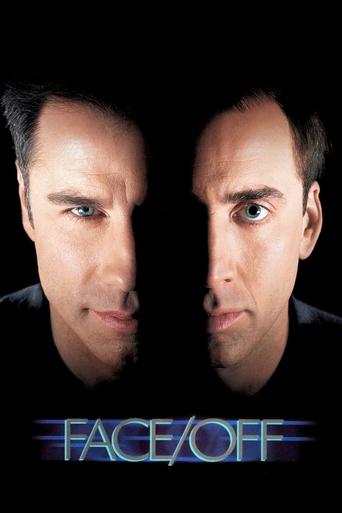
The shelf Nicolas Cage covers the years from 1996 to 2007, when the Academy Award winner of Leaving Las Vegas became one of the great action stars of Hollywood. The run began with three films in two years: The Rock, of 1996, by Michael Bay, with Sean Connery as a former prisoner of Alcatraz who helps a chemical weapons expert break into the island; Con Air, of 1997, by Simon West, with John Cusack and John Malkovich, in which a paroled Army Ranger finds himself on a prison plane taken over by its convicts; and Face/Off, of 1997, by John Woo, with John Travolta, in which a cop and a terrorist swap faces. The Rock is the best rated of the three, with a 7.2, just ahead of Face/Off, with a 7.1.
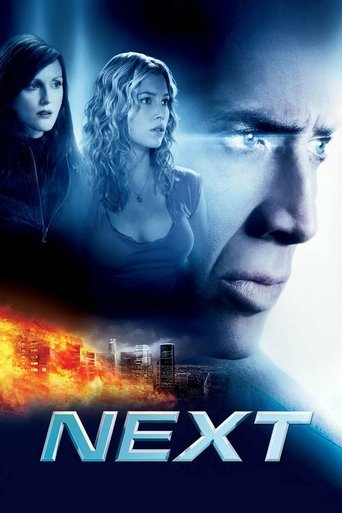
The most voted film of the shelf is National Treasure, of 2004, by Jon Turteltaub, with Diane Kruger, a treasure hunt through the history of the United States that turns the Declaration of Independence into a map; the sequel, National Treasure: Book of Secrets, followed in 2007. Ghost Rider, of 2007, with Eva Mendes, makes Cage a stunt motorcyclist who becomes a flaming spirit of vengeance, and Gone in Sixty Seconds, of 2000, with Angelina Jolie, a retired car thief who must steal fifty cars in one night. Next, of 2007, gives him the power to see two minutes into the future.
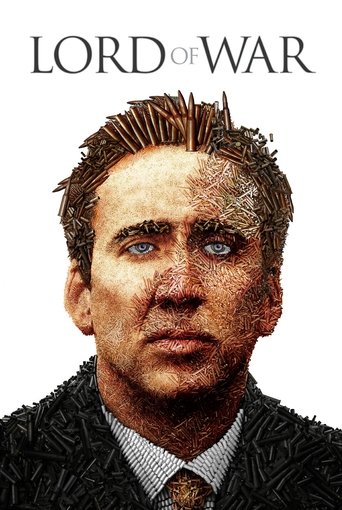
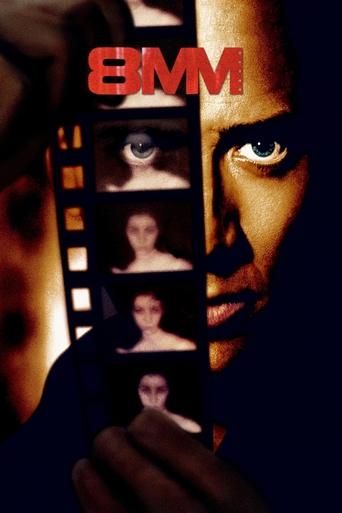
The best rated film of the shelf is Lord of War, of 2005, by Andrew Niccol, with a 7.4, the cold and ironic portrait of an arms dealer, followed by Adaptation, of 2002, by Spike Jonze, with a 7.3, a comedy written by Charlie Kaufman about a screenwriter who struggles to adapt a book, in which Cage plays both the writer and his imaginary twin brother, with Meryl Streep and Chris Cooper. The softer side of the actor completes the shelf: City of Angels, of 1998, with Meg Ryan, a remake of Wings of Desire in which an angel falls in love with a surgeon, and The Family Man, of 2000, with Téa Leoni, in which a Wall Street banker wakes up in the life he would have had with his college girlfriend. 8MM, of 1999, by Joel Schumacher, with Joaquin Phoenix, is the darkest film of the shelf.
Mel Gibson
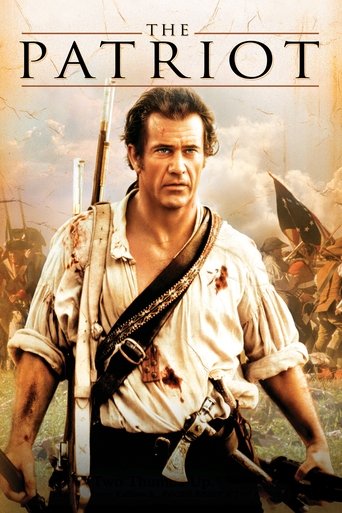
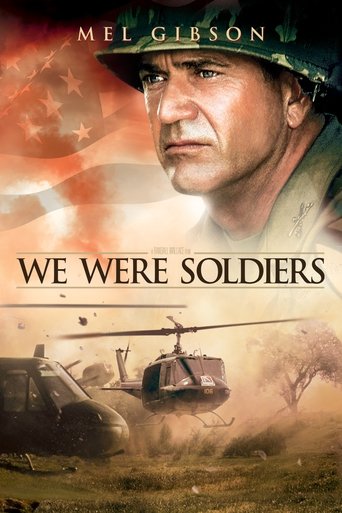
The shelf Mel Gibson runs from 1990 to 2002, the years in which Gibson was both one of the biggest stars of the world and an Academy Award winning director. Its most voted and best rated film is Braveheart, of 1995, which he directed and in which he plays William Wallace, the Scottish hero of the wars of independence against England: 178 minutes, a rating of 7.9 and five Academy Awards, including best picture and best director. The Patriot, of 2000, by Roland Emmerich, with Heath Ledger, moves the same kind of story to the American Revolution, and We Were Soldiers, of 2002, by Randall Wallace, the screenwriter of Braveheart, recreates the battle of the Ia Drang valley in Vietnam in 1965.
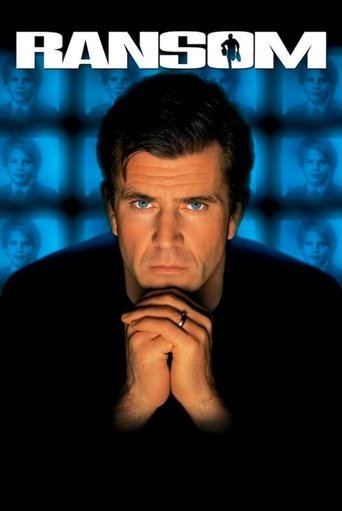
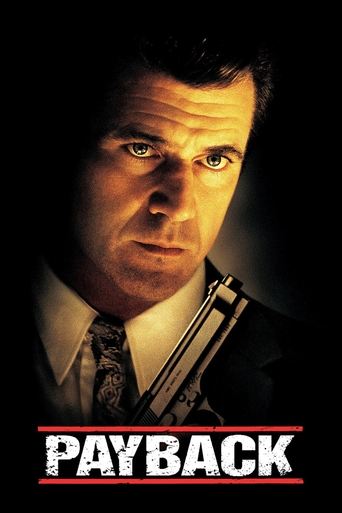
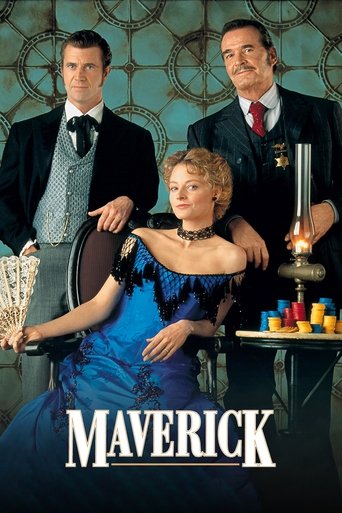
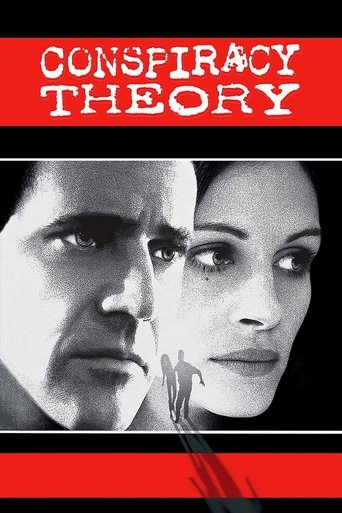
Richard Donner directed four of the thirteen films: Lethal Weapon 3, of 1992, and Lethal Weapon 4, of 1998, the last two adventures of the cops Riggs and Murtaugh, with Danny Glover; Maverick, of 1994, a western comedy with Jodie Foster and James Garner, from the television series; Conspiracy Theory, of 1997, with Julia Roberts, about a New York taxi driver obsessed with plots who turns out to be right about one of them. Donner also directed Willis in 16 Blocks, on the shelf before. The thrillers of the shelf are Ransom, of 1996, by Ron Howard, with Rene Russo, about a rich father who turns the ransom for his kidnapped son into a bounty on the kidnappers, and Payback, of 1999, with a criminal set on recovering his share of a robbery.
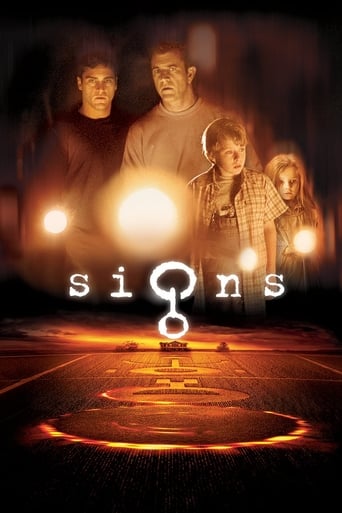
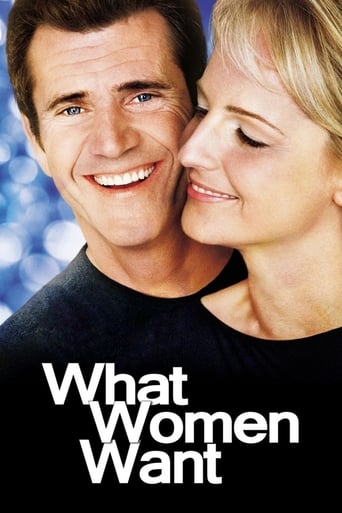
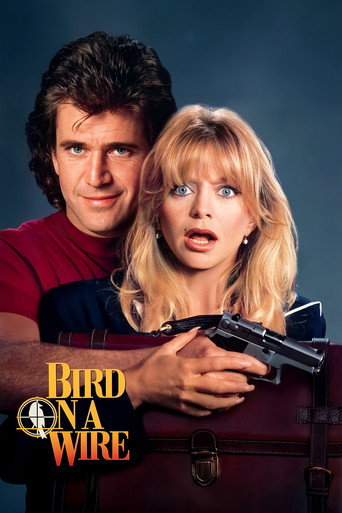
The shelf ends with the films in which Gibson played for laughs or for tears. Signs, of 2002, by M. Night Shyamalan, with Joaquin Phoenix, a story of crop circles and an alien invasion seen from a farm in Pennsylvania, is the second most voted film of the shelf. What Women Want, of 2000, by Nancy Meyers, with Helen Hunt, gives him the power to hear the thoughts of women; Bird on a Wire, of 1990, by John Badham, with Goldie Hawn, is a chase comedy, and Forever Young, of 1992, with Jamie Lee Curtis, is the story of a test pilot frozen in 1939 who wakes up fifty years later.
Funny men
The second family, Funny men, gathers the three comedians who ruled the comedy shelf of the video store, each with a very different kind of laugh: the rubber face of Jim Carrey, the man-child of Adam Sandler and the quicksilver improviser Robin Williams. It is the most voted family of the guide, with about 228,000 votes, and the guide Funny men sums it up. All three also have serious roles here, and some of the best rated films of the guide are the ones in which the comedian stops joking.
Jim Carrey
The shelf Jim Carrey holds about 113,000 votes and two films rated above 8, both of them dramas of a kind. The most voted and best rated is The Truman Show, of 1998, by Peter Weir, with Ed Harris and a rating of 8.2: Carrey plays an insurance salesman who slowly discovers that his whole life is a television show, filmed day and night in a town built as a studio. Eternal Sunshine of the Spotless Mind, of 2004, by Michel Gondry, written by Charlie Kaufman, with Kate Winslet and a rating of 8.1, follows a man who has the memories of a broken love affair erased and tries to hold on to them as they fade.
The comedy begins with the year that made Carrey a star. In 1994 he released three films in a row: Ace Ventura: Pet Detective, by Tom Shadyac, about a detective who specialises in missing animals; The Mask, by Chuck Russell, with Cameron Diaz in her first role, about a bank clerk who finds a magic mask; and Dumb and Dumber, by Peter Farrelly, with Jeff Daniels, the road trip of two good-hearted fools, a film that MovinFlicks itself listed on its 2007 page. Ace Ventura: When Nature Calls followed in 1995, and Tom Shadyac directed him again in Liar Liar, of 1997, about a lawyer forced to tell the truth for a whole day, and in Bruce Almighty, of 2003, with Morgan Freeman as God, the third most voted film of the shelf.
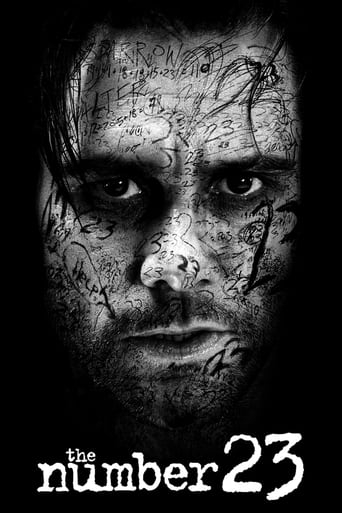
The rest of the shelf mixes holiday fare and darker experiments. How the Grinch Stole Christmas, of 2000, by Ron Howard, turns the Dr. Seuss story into a lavish family film under heavy green make-up; Yes Man, of 2008, with Zooey Deschanel, makes him a bank officer who decides to say yes to everything; the Farrelly brothers gave him a cop with a split personality in their comedy of 2000 with Renée Zellweger. The Cable Guy, of 1996, directed by Ben Stiller, with Matthew Broderick, is a cult comedy about a lonely cable installer who becomes a stalker, and The Number 23, of 2007, by Joel Schumacher, with Virginia Madsen, is a thriller about a man obsessed with a number, one of the films of the 2007 MovinFlicks pages.
Adam Sandler
The shelf Adam Sandler follows the comedian of Saturday Night Live from his first hits to the end of the decade, from 1996 to 2008, with about 50,000 votes. Its most voted film is 50 First Dates, of 2004, by Peter Segal, with Drew Barrymore, a romantic comedy in Hawaii about a man who falls in love with a woman who loses her memory every night, followed closely by Click, of 2006, by Frank Coraci, with Kate Beckinsale and Christopher Walken, about an architect who finds a universal remote that can fast-forward his life, one of the cards of the MovinFlicks page of January 2008.
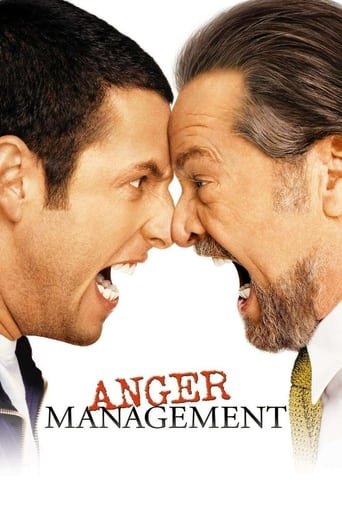
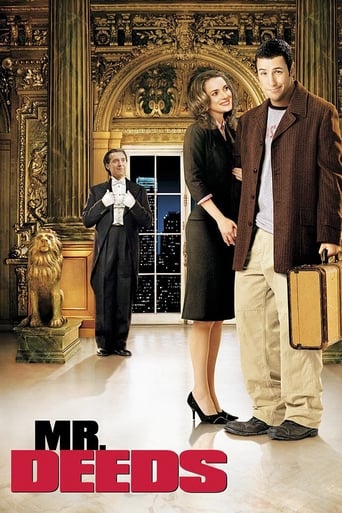
The early films are the ones that built the Sandler persona. Happy Gilmore, of 1996, by Dennis Dugan, is the story of a failed hockey player who becomes a golf champion; The Waterboy, of 1998, by Frank Coraci, with Kathy Bates, is a water boy who turns out to be a fearsome football tackler; Big Daddy, of 1999, by Dugan again, makes him a slacker who adopts a boy to impress his girlfriend, and Little Nicky, of 2000, the son of the Devil. Mr. Deeds, of 2002, with Winona Ryder, remakes the Frank Capra classic, and Anger Management, of 2003, by Peter Segal, pairs him with Jack Nicholson as an unhinged therapist.
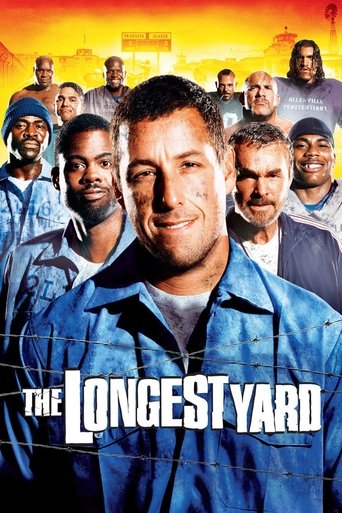
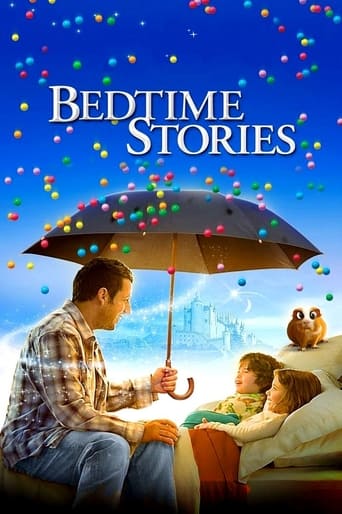
The best rated film of the shelf, with a 7.1, is the one that showed what else Sandler could do: Punch-Drunk Love, of 2002, by Paul Thomas Anderson, with Emily Watson and Philip Seymour Hoffman, a strange and tender romance about a lonely salesman, which won Anderson the prize for best director at Cannes. The later films of the shelf return to comedy: The Longest Yard, of 2005, by Segal, with Chris Rock and Burt Reynolds, the star of the original film of 1974; the Dennis Dugan comedy of 2007 with Kevin James about two firefighters who pretend to be a couple; the comedy of 2008 about an Israeli commando who becomes a hairdresser in New York, also by Dugan, and Bedtime Stories, of 2008, a Disney family film in which the stories a man tells his niece and nephew come true.
Robin Williams
The shelf Robin Williams runs from 1991 to 2006 and holds about 64,000 votes, with an average of 6.99, the highest of the family. Its most voted and best rated film is Good Will Hunting, of 1997, by Gus Van Sant, with Matt Damon, with a rating of 8.2: Williams plays the therapist of a young janitor at MIT who is a mathematical genius, a role that won him the Academy Award for best supporting actor, while Damon and Ben Affleck won the award for the screenplay.
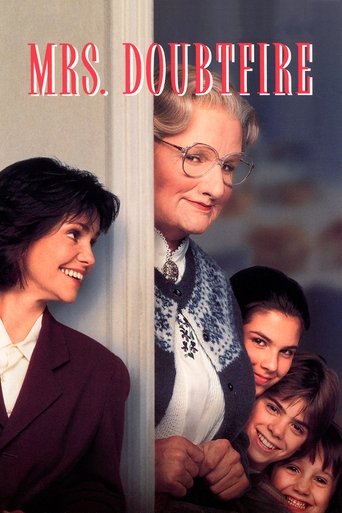
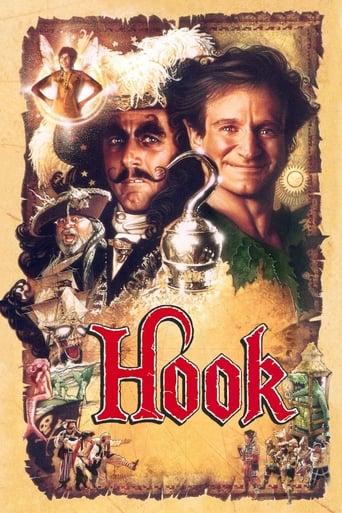
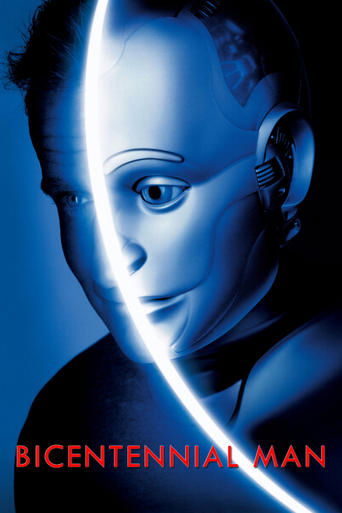
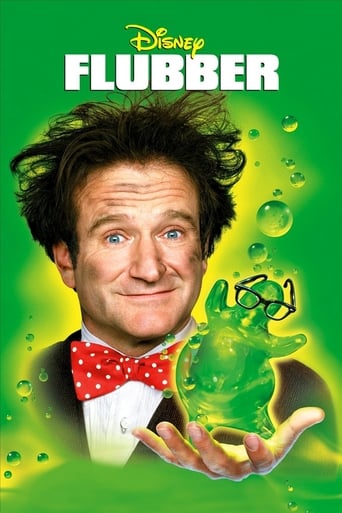
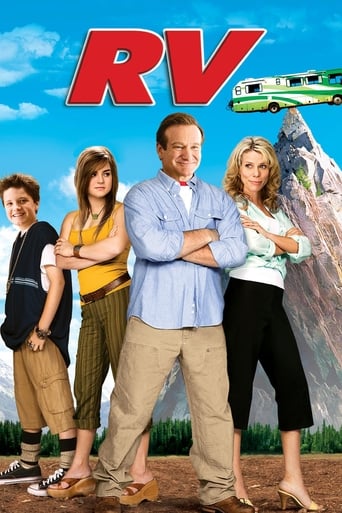
The family films are among the most loved of the decade. Jumanji, of 1995, by Joe Johnston, with Kirsten Dunst, is a board game that releases a jungle into a small town and the man trapped inside it for 26 years; Mrs. Doubtfire, of 1993, by Chris Columbus, with Sally Field, makes him a divorced father who disguises himself as an old Scottish nanny to stay close to his children; Hook, of 1991, by Steven Spielberg, with Dustin Hoffman as Captain Hook, imagines Peter Pan as a grown-up lawyer; and Flubber, of 1997, a remake of the Disney classic, gives him a flying green goo. Bicentennial Man, of 1999, also by Columbus, follows a robot who wants to become human over two hundred years, and RV, of 2006, by Barry Sonnenfeld, a family road trip in a rented motorhome, was one of the cards of the 2008 MovinFlicks page.
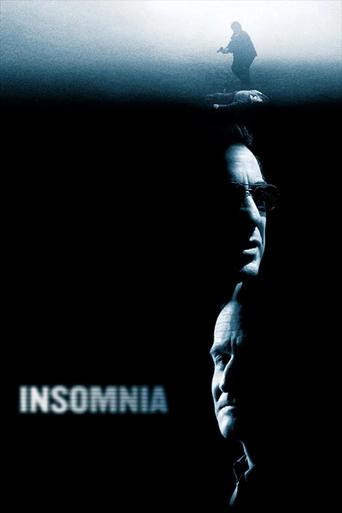
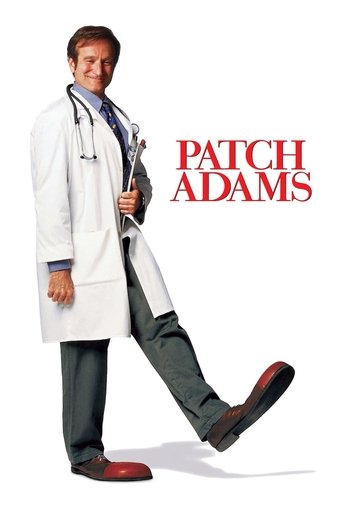
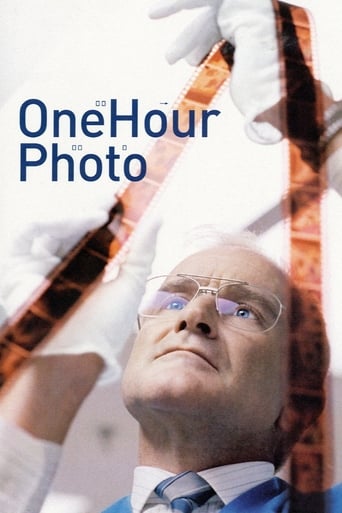
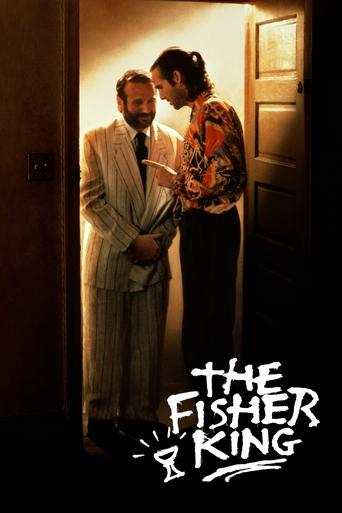
The dramatic Williams is here too. The Fisher King, of 1991, by Terry Gilliam, with Jeff Bridges, is the story of a radio host and a homeless man on a quest for the Holy Grail in New York; What Dreams May Come, of 1998, with Cuba Gooding Jr., follows a man through a painted afterlife in search of his wife; Patch Adams, of 1998, by Tom Shadyac, is the true story of a doctor who used humour with his patients. In 2002 he played two chilling villains: the lonely photo technician of One Hour Photo, by Mark Romanek, and the murderer pursued by Al Pacino in Insomnia, by Christopher Nolan. The Birdcage, of 1996, by Mike Nichols, with Nathan Lane and Gene Hackman, the American remake of La Cage aux Folles, closes the shelf.
Dramatic leads
The third family, Dramatic leads, belongs to three actors of great intensity, the ones a video store put on the shelf of crime and drama: Denzel Washington, Robert De Niro and Edward Norton. It is the best rated family of the guide, with an average of 7.24, and it holds four of the eight films rated 8 or more. The guide Dramatic leads sums it up.
Denzel Washington
The shelf Denzel Washington runs from 1992 to 2007, the years in which Washington became the leading dramatic star of Hollywood. Its most voted film is Training Day, of 2001, by Antoine Fuqua, with Ethan Hawke, with a 7.5: a rookie narcotics officer spends his first day with a corrupt veteran detective in Los Angeles, a role that won Washington the Academy Award for best actor. Its best rated films are two, level at 7.7: Philadelphia, of 1993, by Jonathan Demme, in which he plays the lawyer who takes the case of a colleague fired because he has AIDS, played by Tom Hanks, and Remember the Titans, of 2000, the true story of a football coach who leads a newly integrated high school team in Virginia in 1971.
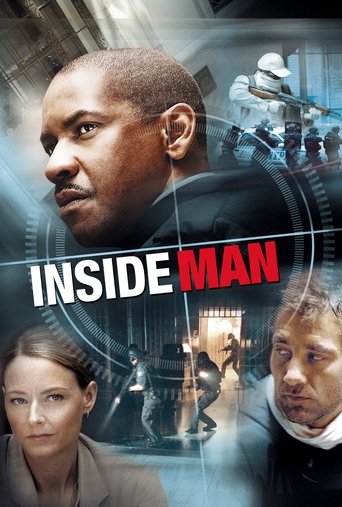
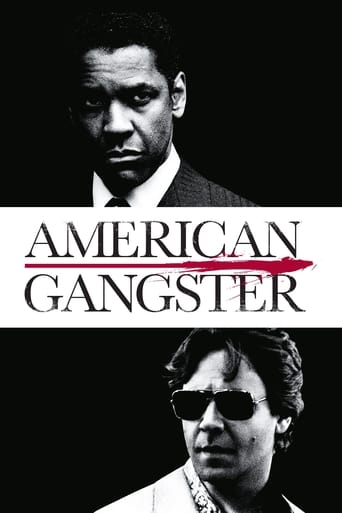
The biographies and the great crime films come next. Malcolm X, of 1992, by Spike Lee, with Angela Bassett, is the longest film of the guide, at 202 minutes, and one of the most acclaimed performances of the actor. Spike Lee directed him again in Inside Man, of 2006, with Clive Owen and Jodie Foster, a bank heist in Manhattan full of twists, one of the cards of the MovinFlicks page; and American Gangster, of 2007, by Ridley Scott, with Russell Crowe, a 7.6, tells the rise of the Harlem drug lord Frank Lucas in the 1970s.
Tony Scott directed three films of the shelf: Crimson Tide, of 1995, with Gene Hackman, a mutiny aboard a nuclear submarine; Man on Fire, of 2004, with Dakota Fanning, the story of a burned-out bodyguard in Mexico City who sets out to avenge the girl he protects; and Déjà Vu, of 2006, a time-travel thriller set after a ferry bombing in New Orleans. The legal and political thrillers complete it: The Pelican Brief, of 1993, by Alan J. Pakula, from the novel by John Grisham, with Julia Roberts; The Manchurian Candidate, of 2004, by Jonathan Demme, with Meryl Streep, a remake of the classic of 1962; John Q, of 2002, about a father who takes a hospital emergency room hostage to get a heart transplant for his son, and The Bone Collector, of 1999, by Phillip Noyce, with Angelina Jolie, in which Washington plays a paralysed forensic expert who guides a young officer through a series of murders.
Robert De Niro
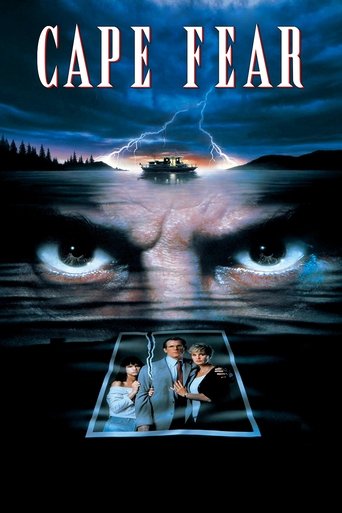
The shelf Robert De Niro is the best rated of the whole guide, with an average of 7.35, and it holds the best rated film of all: GoodFellas, of 1990, by Martin Scorsese, with Ray Liotta and Joe Pesci, with a rating of 8.5, the story of the gangster Henry Hill from his teenage years in Brooklyn to the witness protection programme. Scorsese directed De Niro twice more in the decade, in Cape Fear, of 1991, with Nick Nolte, in which De Niro plays the tattooed former convict who terrorises the family of his old lawyer, and in Casino, of 1995, with Sharon Stone and Joe Pesci, the rise and fall of a casino boss in Las Vegas, at 179 minutes and with a rating of 8.0, a film that appeared on the MovinFlicks page of January 2008.
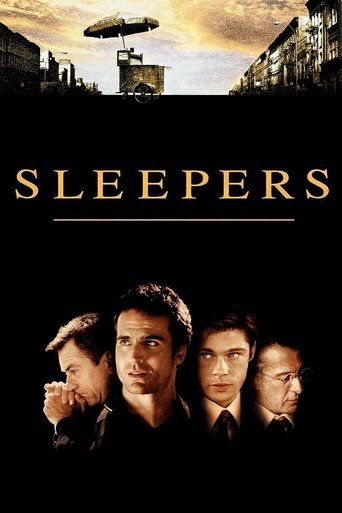
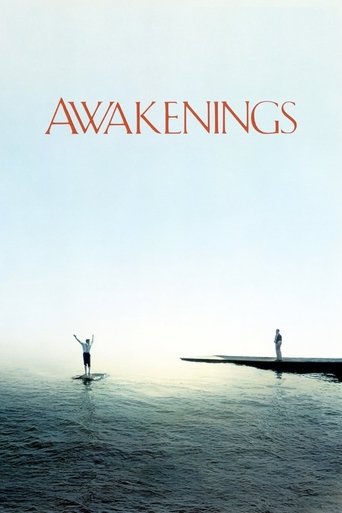
The same year, 1995, gave De Niro one of his most famous scenes: Heat, by Michael Mann, a 7.9, in which he plays a master thief and Al Pacino the detective who hunts him, two legends sharing the screen across a table in a diner. A Bronx Tale, of 1993, also a 7.9, was his first film as a director, the story of a boy torn between his father, a bus driver played by De Niro, and the local mobster, played by Chazz Palminteri, who wrote the play it comes from. Awakenings, of 1990, by Penny Marshall, with Robin Williams, a 7.8, tells the true story of patients who wake from a long catatonic sleep thanks to a new drug, and Sleepers, of 1996, by Barry Levinson, with Brad Pitt and Kevin Bacon, a story of revenge among childhood friends.
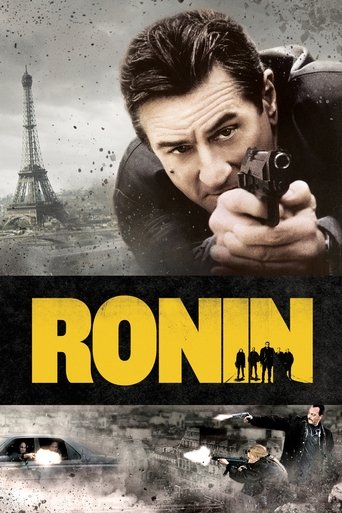
The later films of the shelf show the comic side of the actor. Meet the Parents, of 2000, and Meet the Fockers, of 2004, both by Jay Roach, cast him as the terrifying father-in-law of Ben Stiller, a former CIA officer with a lie detector in the basement; Analyze This, of 1999, by Harold Ramis, makes him a mob boss in therapy with Billy Crystal. Ronin, of 1998, by John Frankenheimer, with Jean Reno, is famous for its car chases through Paris and Nice; Men of Honor, of 2000, with Cuba Gooding Jr., tells the true story of the first African American master diver of the US Navy, and The Score, of 2001, by Frank Oz, with Edward Norton and Marlon Brando in his last film, is a safecracking thriller in Montreal.
Edward Norton
The shelf Edward Norton holds the most voted film of the guide: Fight Club, of 1999, by David Fincher, with Brad Pitt and Helena Bonham Carter, with about 33,000 votes and a rating of 8.4, the story of an insomniac office worker who founds an underground fight club with a soap salesman. On the MovinFlicks page, its card named both stars at once, Norton and Pitt. American History X, of 1998, by Tony Kaye, with Edward Furlong, a rating of 8.3, follows a former neo-Nazi who tries to save his younger brother from the path he took; both this role and the first role of his career, the altar boy accused of murder in Primal Fear, of 1996, with Richard Gere, earned Norton nominations for the Academy Awards.
The shelf follows a career full of turns. Rounders, of 1998, by John Dahl, with Matt Damon, takes place in the underground poker rooms of New York; 25th Hour, of 2002, by Spike Lee, with Philip Seymour Hoffman, follows a man on his last day of freedom before seven years in prison; Red Dragon, of 2002, by Brett Ratner, makes him the FBI profiler Will Graham, who asks Hannibal Lecter, played by Anthony Hopkins, for help. The Illusionist, of 2006, by Neil Burger, with Paul Giamatti and Jessica Biel, is a stage magician in Vienna around 1900, one of the cards of the MovinFlicks page, and The Painted Veil, of 2006, with Naomi Watts, a doctor who takes his unfaithful wife to a village struck by cholera in China in the 1920s.
The rest of the shelf includes three films in which Norton is the third name of the cast: The Italian Job, of 2003, by F. Gary Gray, with Mark Wahlberg and Charlize Theron, in which he plays the traitor of a gang of thieves; The People vs. Larry Flynt, of 1996, by Miloš Forman, with Woody Harrelson as the publisher of Hustler, in which Norton plays his lawyer; and Primal Fear. The Incredible Hulk, of 2008, by Louis Leterrier, with Liv Tyler, the second most voted film of the shelf, made him Bruce Banner in the second film of the Marvel Cinematic Universe; Pride and Glory, of 2008, with Colin Farrell and Jon Voight, is a story of police corruption in a family of New York cops, and Keeping the Faith, of 2000, which Norton directed, is a romantic comedy in which a priest, played by Norton, and a rabbi, played by Ben Stiller, fall for the same childhood friend.
Blockbuster stars
The last family, Blockbuster stars, gathers the three faces of the global box office of the era, the stars whose names alone could open a summer: Will Smith, Angelina Jolie and Jackie Chan. Its 39 films hold about 208,000 votes and range from The Legend of Drunken Master in 1994 to Hancock, Wanted and The Forbidden Kingdom in 2008. The guide Blockbuster stars sums it up.
Will Smith
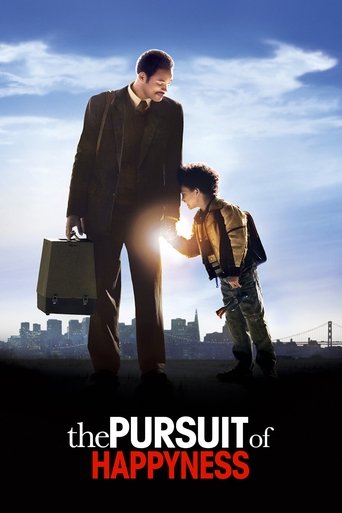
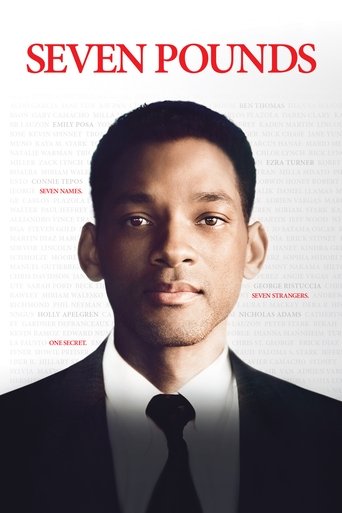
The shelf Will Smith is the most voted shelf of the guide, with about 125,000 votes, and it reads like a list of the biggest hits of its time. The most voted is I Am Legend, of 2007, by Francis Lawrence, with about 17,400 votes: Smith plays a military scientist who seems to be the last man alive in a deserted New York, with a German shepherd as his only companion. The best rated is The Pursuit of Happyness, of 2006, by Gabriele Muccino, with a 7.9, the true story of Chris Gardner, a struggling salesman who raises his young son while working an unpaid internship as a stockbroker; his own son, Jaden Smith, plays the boy, and the film was one of the cards of the MovinFlicks page of January 2008. Muccino directed him again in Seven Pounds, of 2008, with Rosario Dawson, a 7.6.
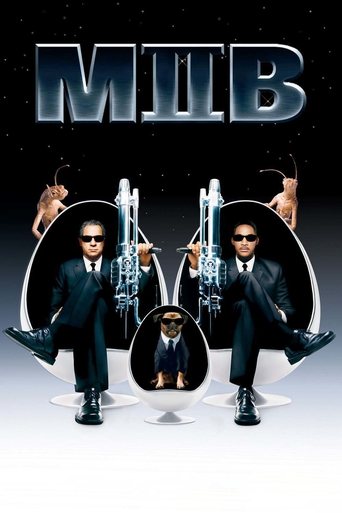
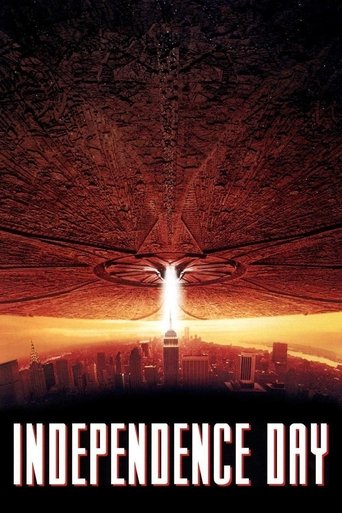
The summer films are many. Independence Day, of 1996, by Roland Emmerich, sends him into the sky against an alien invasion on the Fourth of July; Men in Black, of 1997, by Barry Sonnenfeld, pairs him with Tommy Lee Jones as the agents who police the aliens living secretly on Earth, and Men in Black II followed in 2002. Sonnenfeld also directed Wild Wild West, of 1999, with Kevin Kline, a steampunk western that is the lowest rated film of the guide, at 5.3. Michael Bay made his first feature with Bad Boys, of 1995, with Martin Lawrence as the other half of a pair of Miami detectives, and returned for Bad Boys II in 2003.
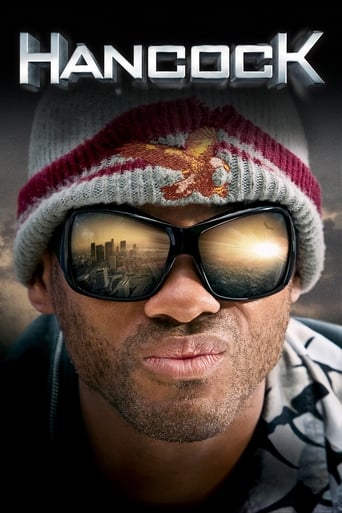
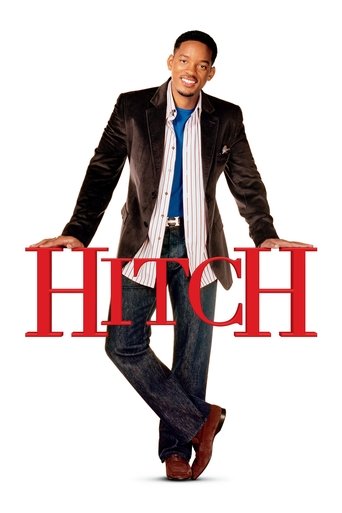
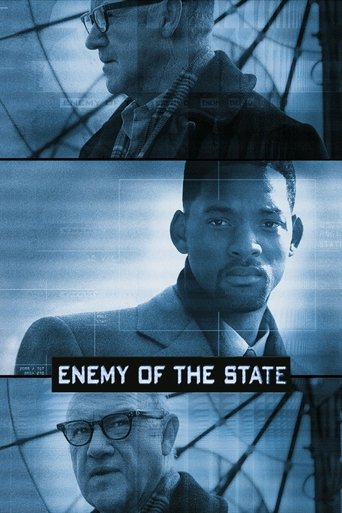
The science fiction of the 2000s completes the shelf: I, Robot, of 2004, by Alex Proyas, a detective investigating a murder that may have been committed by a robot in the Chicago of 2035, and Hancock, of 2008, by Peter Berg, with Charlize Theron, a drunken and unloved superhero. Enemy of the State, of 1998, by Tony Scott, with Gene Hackman, makes him a lawyer hunted by the surveillance machine of a rogue intelligence official, and Hitch, of 2005, with Eva Mendes, a professional dating coach in New York.
Angelina Jolie
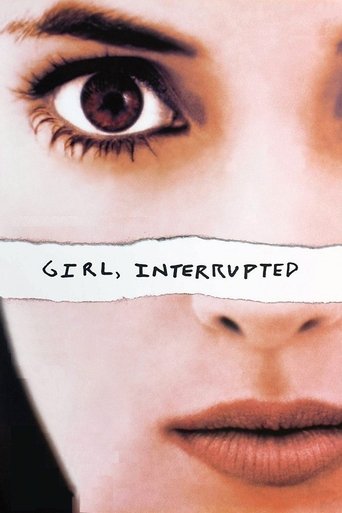
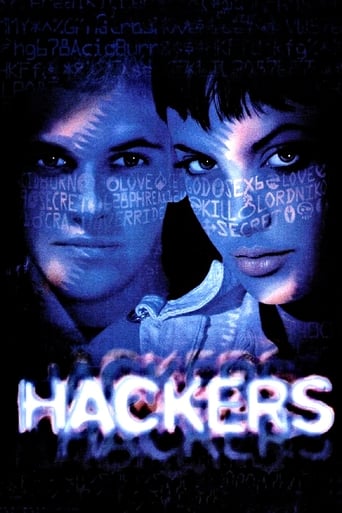
The shelf Angelina Jolie runs from 1995 to 2008 and follows the rise of the actress from the cult film Hackers, with Jonny Lee Miller, whom she married soon after, to the dramas of the late 2000s. Its best rated films are two, level at 7.6: Girl, Interrupted, of 1999, by James Mangold, with Winona Ryder, set in a psychiatric hospital in the late 1960s, in which Jolie plays a charismatic patient, a role that won her the Academy Award for best supporting actress; and Changeling, of 2008, by Clint Eastwood, with John Malkovich, the true story of a mother in Los Angeles in 1928 whose missing son is replaced by another boy.
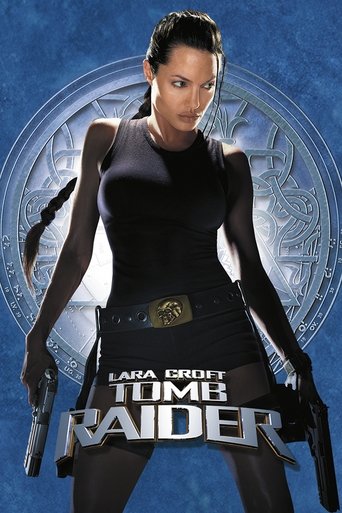
The most voted film of the shelf is the action comedy of 2005 by Doug Liman in which Jolie and Brad Pitt play a bored married couple who discover that they are both hired assassins, working for rival agencies. The action of the shelf continues with Lara Croft: Tomb Raider, of 2001, by Simon West, the director of Con Air, from the video game, and its sequel, Lara Croft: Tomb Raider - The Cradle of Life, of 2003, by Jan de Bont, with Gerard Butler, who would later lead 300, one of the cards of the 2008 MovinFlicks page. Wanted, of 2008, by Timur Bekmambetov, with James McAvoy and Morgan Freeman, makes her a member of a secret society of assassins who can curve the path of a bullet.
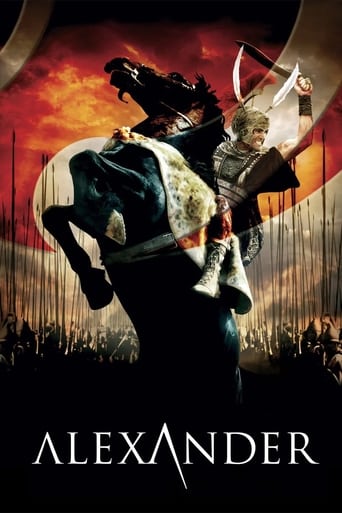
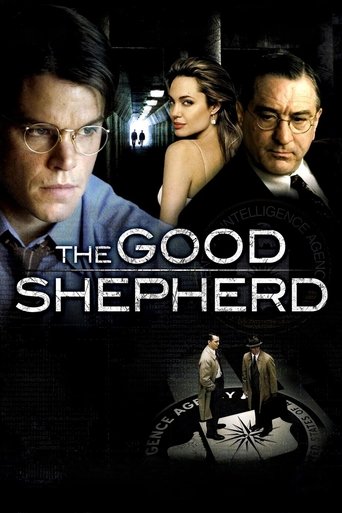
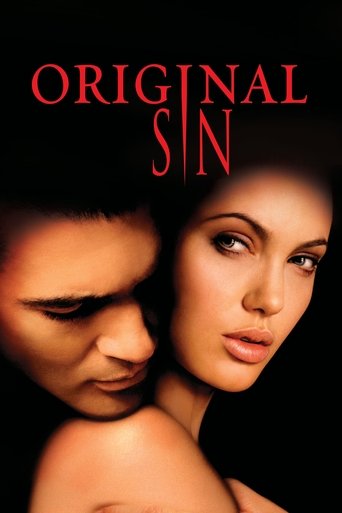
The thrillers and dramas of the shelf are Taking Lives, of 2004, with Ethan Hawke, an FBI profiler on the trail of a killer who takes the identities of his victims; Original Sin, of 2001, with Antonio Banderas, another star of the MovinFlicks cards, a story of a mail-order bride in nineteenth-century Cuba; Alexander, of 2004, by Oliver Stone, with Colin Farrell, in which she plays the mother of the conqueror; The Good Shepherd, of 2006, the second film directed by Robert De Niro, with Matt Damon, a portrait of the early CIA; Beyond Borders, of 2003, with Clive Owen, a love story among aid workers, and Life or Something Like It, of 2002, a comedy about a television reporter who is told she has a week to live.
Jackie Chan
The shelf Jackie Chan is the most international of the guide: nine of its films are in English and four in Cantonese, made in Hong Kong. Its most voted film is Rush Hour, of 1998, by Brett Ratner, with Chris Tucker, the buddy comedy that made Chan a star in America, in which a Hong Kong inspector and a loud Los Angeles detective must rescue the kidnapped daughter of a Chinese diplomat. Rush Hour 2, of 2001, which MovinFlicks listed on its pages, moves the pair to Hong Kong and Las Vegas, and Rush Hour 3, of 2007, to Paris.
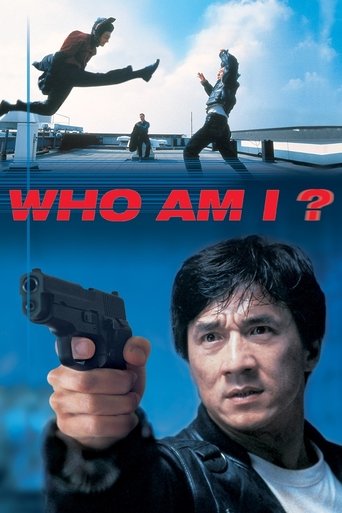
The best rated film of the shelf, with a 7.5, is The Legend of Drunken Master, of 1994, by Lau Kar-leung, a Cantonese film in which Chan plays the young folk hero Wong Fei-hung, master of the drunken style of kung fu, with a final fight in a steel foundry that is one of the great action scenes of his career. Rumble in the Bronx, of 1995, by Stanley Tong, a Hong Kong production set in New York but shot in Vancouver, was the film that opened the American market to him, and New Police Story, of 2004, by Benny Chan, a darker police drama, and Who Am I, of 1998, which Chan co-directed, with a famous fight on the roof of a skyscraper in Rotterdam, are the other two Cantonese films of the shelf, both at 7.2.
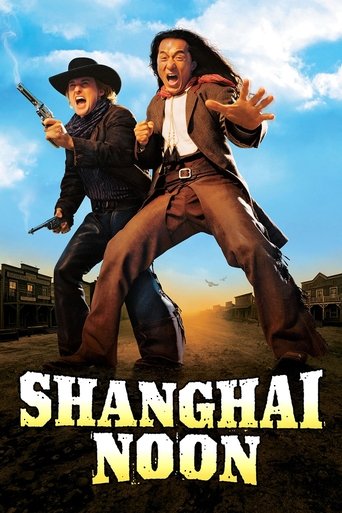
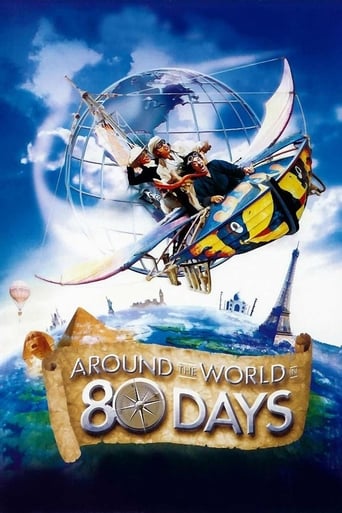
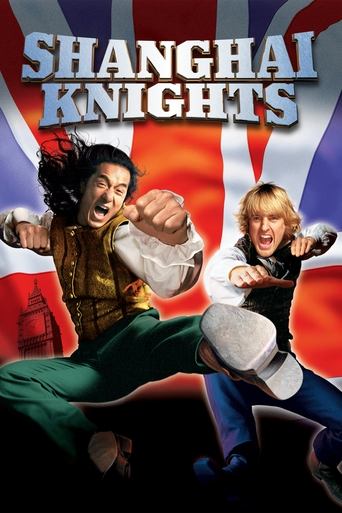
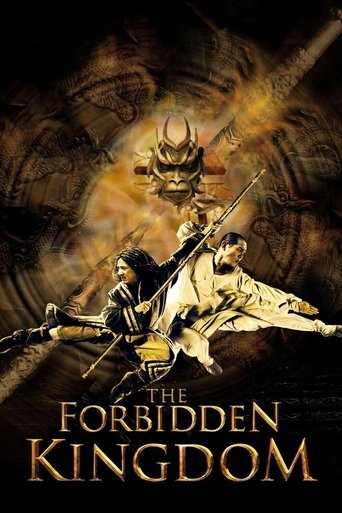
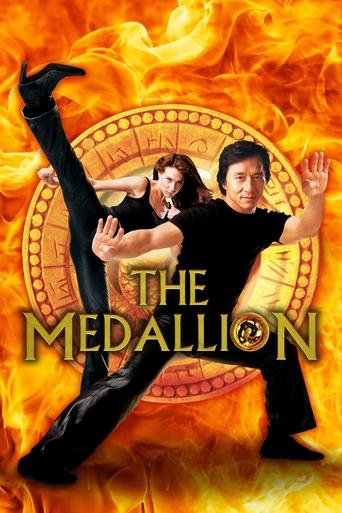
The American comedies of the shelf pair Chan with a talkative partner. Shanghai Noon, of 2000, by Tom Dey, with Owen Wilson, sends an imperial guard to the Wild West to rescue a princess, and Shanghai Knights, of 2003, by David Dobkin, takes the two heroes to Victorian London; it was one of the films of the 2007 MovinFlicks pages. Around the World in 80 Days, of 2004, by Frank Coraci, with Steve Coogan as Phileas Fogg, makes Chan the valet Passepartout; The Tuxedo, of 2002, with Jennifer Love Hewitt, gives him a high-tech suit, and The Medallion, of 2003, a magic amulet. The Forbidden Kingdom, of 2008, by Rob Minkoff, brought Chan and Jet Li together on screen for the first time, in a fantasy of ancient China seen through the eyes of an American teenager who loves kung fu films.
On MovinFlicks in 2007
Seventeen films of the guide appear on the archived MovinFlicks pages of 2007 and early 2008, as cards on the home page or as pages of their own, and the collection On MovinFlicks in 2007 gathers them. They are a fair picture of what people wanted to watch that year. The new releases were Inside Man, The Illusionist, The Pursuit of Happyness, Click, RV and 16 Blocks, all of 2006, and Ghost Rider, The Number 23 and Live Free or Die Hard, of 2007. The favourites from the shelves of the rental store were Fight Club, American History X, Braveheart, Casino, Con Air, Dumb and Dumber, Rush Hour 2 and Shanghai Knights. Together the seventeen hold about 136,000 votes, with an average of 7.0, and they include eleven of the twelve stars of the guide; only Angelina Jolie is missing, although her film of 2000 with Nicolas Cage was a hit of the same years.
The cards also named stars from outside the twelve shelves, and the guide The page of 2007 lists them: Dane Cook with Employee of the Month, Antonio Banderas with The Legend of Zorro, Kevin Costner with The Guardian, Jamie Foxx with Dreamgirls and Miami Vice, Alicia Keys with Smokin' Aces, Matthew Broderick with Deck the Halls, Cheech Marin with Born in East L.A., Gerard Butler with 300, Sacha Baron Cohen with Borat, Shia LaBeouf with Disturbia and Jack Nicholson with The Shining. Several of them appear on the shelves as partners: Banderas in Original Sin, Broderick in The Cable Guy, Nicholson in Anger Management and Butler in the second Lara Croft film.
The directors
Three directors have five films each in the guide, and each of them made films for more than one star. Brett Ratner directed the three Rush Hour films with Jackie Chan, The Family Man with Nicolas Cage and Red Dragon with Edward Norton. Tony Scott directed The Last Boy Scout with Bruce Willis, Enemy of the State with Will Smith and three films with Denzel Washington, Crimson Tide, Man on Fire and Déjà Vu. Richard Donner directed four films with Mel Gibson, two Lethal Weapons, Maverick and Conspiracy Theory, and 16 Blocks with Willis.
Four directors have four films each. Michael Bay made The Rock with Cage, Armageddon with Willis and the two Bad Boys films with Smith; Barry Sonnenfeld the two Men in Black films and Wild Wild West with Smith and RV with Robin Williams; Tom Shadyac three Jim Carrey comedies and Patch Adams with Williams, and Dennis Dugan four Adam Sandler comedies. Martin Scorsese, M. Night Shyamalan, Spike Lee, Peter Segal and Frank Coraci have three each. Four of the stars also sit in the director's chair here: Mel Gibson with Braveheart, Robert De Niro with A Bronx Tale and The Good Shepherd, Edward Norton with Keeping the Faith, and Jackie Chan, who co-directed Who Am I with Benny Chan. The guide The directors lists them all.
When the stars meet
The twelve stars cross paths several times in the guide. Angelina Jolie meets three of them: Nicolas Cage in Gone in Sixty Seconds, Denzel Washington in The Bone Collector and Robert De Niro, who directed her in The Good Shepherd. Robert De Niro and Robin Williams share Awakenings, and De Niro and Edward Norton share The Score, with Marlon Brando as a third legend. In each case the film sits on the shelf of the star billed highest, and the other star is named in the cast on the film page. The guide When stars meet lists the meetings and the partners who return most often, such as Danny Glover with Mel Gibson, Chris Tucker and Owen Wilson with Jackie Chan, Martin Lawrence and Tommy Lee Jones with Will Smith, and Ben Stiller, who faces De Niro twice and Norton once.
The nineties and the 2000s
The guide splits almost evenly between its two decades, with 72 films from 1990 to 1999 and 84 from 2000 to 2008. The busiest years are 1998, 2000 and 2002, with thirteen films each, and the quietest are 1992, with three. The nineties are the better rated half, with an average of 7.08 against 6.68 for the 2000s, and the collection The nineties gathers them in order of release, from Bird on a Wire and Die Hard 2 to the films of 1999. Some careers lean clearly one way: Mel Gibson and Robert De Niro are mostly nineties stars here, with the last film of the De Niro shelf in 2004 and of the Gibson shelf in 2002, while Angelina Jolie and Will Smith are mostly stars of the 2000s. The guide The nineties follows the decade year by year.
MovinFlicks in figures
The 156 films of the guide carry about 844,000 votes on TMDB, with an average rating of 6.86; eight of them reach 8 or more, from GoodFellas, at 8.5, to Casino and The Sixth Sense, at 8.0, and the collection Rated 7.5 or more gathers the 29 films rated 7.5 or more, best first. The most voted are Fight Club, The Truman Show, I Am Legend, Eternal Sunshine of the Spotless Mind, Men in Black and GoodFellas. Together the films last about 18,500 minutes, more than 300 hours; the longest is Malcolm X, at 202 minutes, followed by Casino, Braveheart and Alexander, and the shortest are Ace Ventura: Pet Detective and Liar Liar, at 86 minutes each. 151 of the films are in English, four in Cantonese and one, The Fifth Element, is a French production shot in English. The guide The figures gathers every number.
Where to begin
For a first evening, pick one star from each family and start with the film that defined them: Die Hard: With a Vengeance or The Sixth Sense for Bruce Willis, The Truman Show for Jim Carrey, GoodFellas for Robert De Niro and Men in Black for Will Smith. For a double bill, pair two films of the same director with two different stars, such as Crimson Tide and Enemy of the State by Tony Scott, or Rush Hour and Red Dragon by Brett Ratner. For a laugh, the three films of Jim Carrey from 1994 still make a perfect marathon, and for a night of crime, Heat, Training Day and Inside Man make a fine trio. And for a taste of the MovinFlicks page itself, open the collection of 2007 and start with Con Air, the card of Nicolas Cage, and Fight Club, the card that named two stars at once.
How to use MovinFlicks
The home page opens with the introduction and the banner WATCH THEM HERE NOW, a grid of twelve blue tiles, one per star, each with its family and its number of films; a tile leads to the row of that star further down the page. Each row sits under a blue bar with the name of the star in white capitals and a More flicks button that opens the full shelf. The cards are white, three to a row, as on the old page: the poster on the left with the year and the TMDB rating, and on the right the name of the star, the title in bold blue and the first genre with the running time. The menu at the top leads to the four families, and the search box finds any film by its title; the guide Search tips explains how.
The film page has the English synopsis, the cast, the director, the genres and the release date. The Watch now button opens the film on JustWatch, which shows the services that offer it in your country, and the button Add to My List keeps it in My list, stored in your browser. The guide How to use MovinFlicks explains each part, and the guide The Watch now button explains how JustWatch works.
Questions
What is MovinFlicks
An English guide to 156 films of 1990 to 2008 on twelve star shelves, inspired by a video-on-demand page of 2007 that named the star above the title.
Who are the twelve stars
Bruce Willis, Nicolas Cage, Mel Gibson, Jim Carrey, Adam Sandler, Robin Williams, Denzel Washington, Robert De Niro, Edward Norton, Will Smith, Angelina Jolie and Jackie Chan.
How are the films chosen
For each star, the thirteen most voted TMDB films of 1990 to 2008 in which the star is billed first or second; for Edward Norton, among the first four.
Which film has the most votes
Fight Club, with about 33,000 votes.
Which film is the best rated
GoodFellas, with an 8.5.
Which shelf is the best rated
Robert De Niro, with an average of 7.35.
Which is the longest film
Malcolm X, with 202 minutes.
Which directors appear most often
Brett Ratner, Tony Scott and Richard Donner, with five films each.
Where can I watch the films
The Watch now button opens each film on JustWatch, which shows the services that offer it in your country.
Where is My list kept
In your browser, on the device where you create it.
